
A steady plan beats guesswork when electricity bills keep rising, and quality determines whether your array performs under pressure or falls short. We’ll show clear steps to cut risk, hold timelines, and raise output. Homeowners and small shops want clear choices, fast communication, and documented checks that stand up in rough weather. We track how teams coordinate site surveys, pick materials, and stage work so crews move swiftly with fewer surprises. You’ll see where small decisions prevent costly callbacks. If you’re comparing solar providers concord, use these checkpoints to judge fit, durability, and long-term value. Adopt these habits to guard your budget and lift uptime. From the first roof photo to the final inspection, the right process shapes performance, safety, and lifetime return.
Mapping scope and site conditions for clearer direction
Good scoping starts at the curb: check shading at noon and confirm conductor paths. You can preview steps commercial solar Concord that keep crews aligned from day one. Shop owners often juggle tree clearance, ridge vents, and service panel capacity; set red lines before you price options. Record rafter spacing and decking type to forecast whether you’ll add blocking or defer roof work. A duplex has very different interconnection rules than a light commercial bay. Draft a simple scope card today to anchor bids. Use solar companies concord once to benchmark timelines and see how their survey notes translate to fewer change orders.
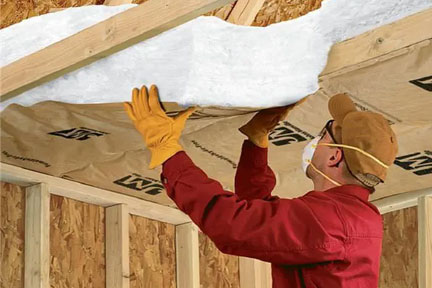
Convert the survey into a wiring layout before teams arrive. Tag landscape hazards so safety needs don’t stall day one. Keep a cloud album with rafter finds, attic clearances, and meter specs. Such prep cuts first-day friction. Inspectors usually breeze through when notes are clear.
Selecting materials and specs that handle storm and wear
Materials are your risk buffer. You pick rails, clamps, and conductors that match wind zones, wildfire rules, and thermal cycles. You can compare hardware families explore options and see which are proven in similar roofs. Select modules with steady field data, then size inverters with headroom for hot days. When roof corners catch gusts, use longer standoffs and extra lag bolts. For attic runs, choose AL/XHHW-2 only with correct lugs and protect bends. A small upgrade in wire tray or UV-rated conduit often prevents callbacks.
Balance sealing with future access so maintenance stays simple. Match flashings with roof chemistry to avoid galvanic mess. Add labels that actually stay readable around the main panel. In snow towns, leave space to shed drifts. For structure, verify torque on sample lags before drilling the full pattern. A strong material stack supports Solar panel performance for decades.
Orchestrating workflow and day sequences to shorten delays
A crisp sequence trims risk. Start with site fencing and roof fall protection before the first tool comes out. You can glance at a model day plan explore options to see how teams stay synchronized. Crew A handles rails and roof sealing; Crew B runs conduit and sets the inverter backboard. QA snaps photo proofs at each milestone. Inspections slot in after continuity tests, then final settings confirm voltage and production. The cadence keeps everyone moving. It also helps solar installers concord give accurate arrival windows to neighbors and tenants.
Adopt a day-minus program to prep bins, stage pallets, and pre-assemble clamps. When rain looms, flip to an interior-first plan. Set a group chat for instant location updates. Small touches like QR tags on pallets speed handoffs. Basics done well beat fancy gadgets most days.
Verifying quality and mitigating risk before energizing the system
Quality is not a sticker; it’s a checklist. Test for ground continuity, photograph every flashing, and record inverter firmware. You can mirror a punch-list approach Concord North Valley Solar that catches mistakes before weather does. Do a noon thermography sweep to flag hot joints. Sealant lines should be neat and centered. If an attic splice was unavoidable, log the box type and location. Such discipline keeps warranties clean. They also make solar installation smoother when inspectors review the job file.
Set a one-week data lookback to confirm predicted output. Compare site data to your shade model with simple plots. Tiny gaps can hide bigger issues. Early fixes snowball into years of gain. With this approach, homeowners sleep easier knowing risks are addressed, not ignored.
Balancing budget and choices without sacrificing safety
Budgets bend under surprises, so price the likely ones up front. Hold a reserve for main panel work and set rules for change orders. You can review a sample cost map eco-friendly power Concord to see where overruns tend to hide. A $300 upgrade in flashing can stop a $3,000 leak. Choose durable parts where removal is costly. Cut frills, not bones. This balance keeps you safe and solvent. Teams that explain these swaps early will earn trust with clear math.
For quotes, compare apples to apples. Ask how companies handle roof blocking, trenching, and main service upgrades; insist every proposal shows those line items. Transparent pricing beats the lowest sticker. Use solar installation companies concord to see what a comprehensive scope looks like. Then vet warranty terms for labor and parts. The cheapest system that fails early is the most expensive. In the long run, your monthly savings should outlast the warranty clock.
Conclusion
Scope clarity, rugged components, smooth sequencing, and rigorous QA protect your spend. They push risk down and keep output steady in real weather. Whether you’re comparing solar providers concord or weighing timing for solar installation, use these cues to judge approach, not just price. With disciplined choices now, you set yourself up for durable returns and fewer surprises later.